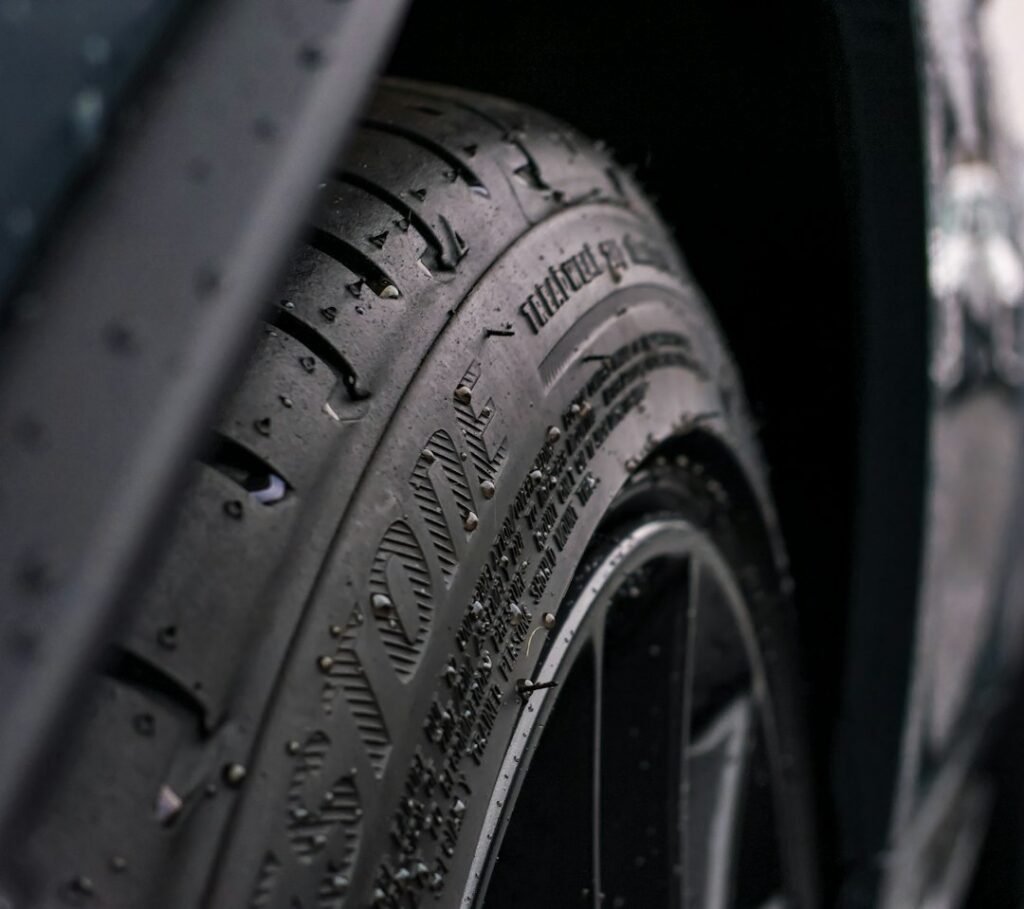
Tires are the only part of your car that actually touches the road, so they affect braking, handling, comfort, noise, and even fuel economy. If you drive a sedan and want one set of tires for the whole year, an all-season tire is usually the right call. This guide covers the top rated all-season tires for sedans in 2026, based on Consumer Reports results and other respected buyer guides, and explains how to pick the right one for your driving.
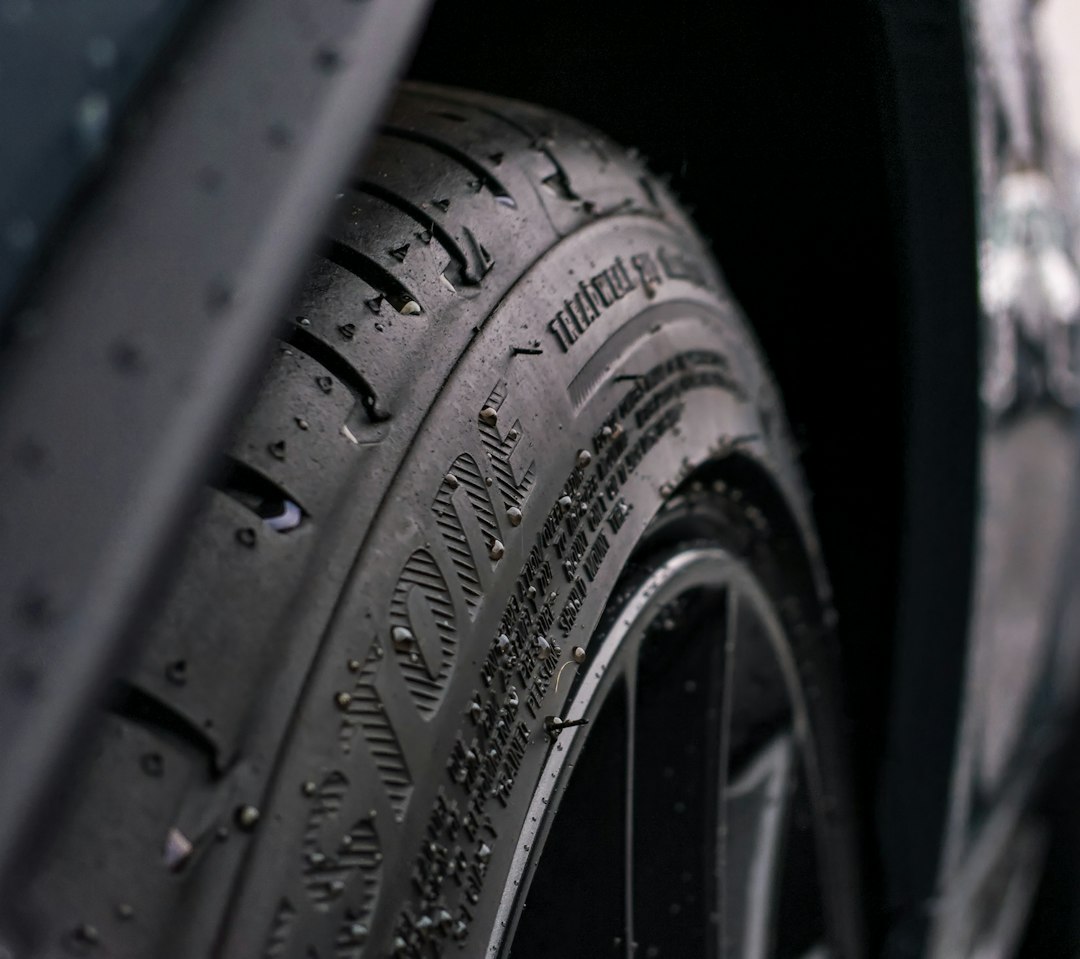
Honest note: we have not run our own tire tests. The picks below are drawn from independent testing, mainly Consumer Reports, plus widely cited buyer guides. Always check that a tire comes in your exact size and speed rating, and compare current prices and warranties.
Quick picks at a glance
| Tire | Best for |
|---|---|
| Michelin Defender2 | Long tread life and all-round performance |
| Hankook Kinergy XP | Strong performance at a lower price |
| Continental TrueContact Tour | Comfortable, quiet commuting |
| Michelin CrossClimate2 | Drivers who see real snow |
| Pirelli P7 All Season Plus 3 | Wet-weather grip |
| Goodyear Assurance MaxLife 2 | High-mileage drivers |
| Yokohama Avid Ascend GT | Budget-minded buyers |
| Michelin Pilot Sport All Season 4 | Sporty sedans |
The top rated all-season tires for sedans
Michelin Defender2: best overall
Consumer Reports picked the Defender2 as its best all-season tire for passenger cars, and it is widely praised for its very long projected tread life. It grips well in wet and dry conditions and rides comfortably. It is not cheap, but the long life often makes up for the higher price over time.
Hankook Kinergy XP: best value
Consumer Reports lists the Kinergy XP as its recommended alternative, and it actually scored very well across individual test categories. It is a smart choice if you want near-premium performance without the premium price.
Continental TrueContact Tour: quiet and comfortable
A favorite for daily commuters who care about a smooth, quiet ride. It also has a reputation for good wet braking and a strong tread life warranty, often at a lower price than Michelin.
Michelin CrossClimate2: for snowy winters
Technically an all-weather tire, the CrossClimate2 carries the three-peak mountain snowflake symbol, which means it meets a severe snow performance standard. If you get regular snow but do not want to swap to winter tires, this is one of the best options. Expect a slightly firmer feel and a higher price.
Pirelli P7 All Season Plus 3: wet-weather confidence
Often recommended for drivers in rainy areas, thanks to its strong wet traction and comfortable touring ride.
Goodyear Assurance MaxLife 2: built to last
As the name suggests, this tire focuses on tread life. It suits high-mileage commuters and rideshare drivers who want to go a long time between tire purchases.
Yokohama Avid Ascend GT: budget all-rounder
A well-reviewed option that costs less than the big premium names while still offering decent all-round performance and a solid warranty.
Michelin Pilot Sport All Season 4: for sporty sedans
Consumer Reports’ top ultra-high-performance all-season tire. It gives sharp handling for sport sedans, but it will not last as long as touring tires like the Defender2.
How to choose the right all-season tire
- Start with your size. It is printed on the sidewall of your current tires and on the sticker inside the driver’s door, for example 225/45R17.
- Match or exceed the speed and load rating listed by your car’s maker.
- Think about your weather. Mild winters suit standard all-seasons. Regular snow points toward all-weather tires with the snowflake symbol, or dedicated winter tires.
- Decide what matters most: long life, quiet comfort, sporty handling, or low price. No tire is best at everything.
- Compare tread life warranties, but remember they assume proper rotation and inflation.
- Replace in sets. At least replace both tires on the same axle together.
All-season vs. all-weather tires
All-season tires handle dry roads, rain, and light snow. All-weather tires add certified snow traction while still being usable year-round. Neither fully matches a true winter tire on ice or deep snow. If you live somewhere with long, hard winters, a second set of winter tires is still the safest choice.
Make your new tires last
- Check tire pressure monthly when the tires are cold.
- Rotate them on the schedule in your manual or the tire warranty.
- Get an alignment if the car pulls or the tires wear unevenly.
- Have them balanced when mounted, and again if you feel vibration. See our guide on steering wheel shaking at 60 mph.
Frequently asked questions
How long do all-season tires last?
It depends on the tire and how you drive. Many touring all-season tires come with long tread life warranties, while performance tires wear faster. Check the tread depth regularly and replace tires that are worn down or more than about six to ten years old, as your tire maker advises.
Are all-season tires good in snow?
They are fine in light snow, but much weaker than winter tires in heavy snow and on ice.
Are expensive tires really worth it?
Often, yes. Premium tires tend to stop shorter in the wet and last longer, which can make them cheaper per mile. That said, some mid-priced tires perform very close to premium ones.
Final thoughts
For most sedan owners, the Michelin Defender2 is the safest all-round pick, with the Hankook Kinergy XP and Continental TrueContact Tour as excellent value alternatives. If you see real snow, look at the Michelin CrossClimate2. Whatever you buy, keep the pressure right and rotate on schedule to get every mile you paid for.
Leave a Reply