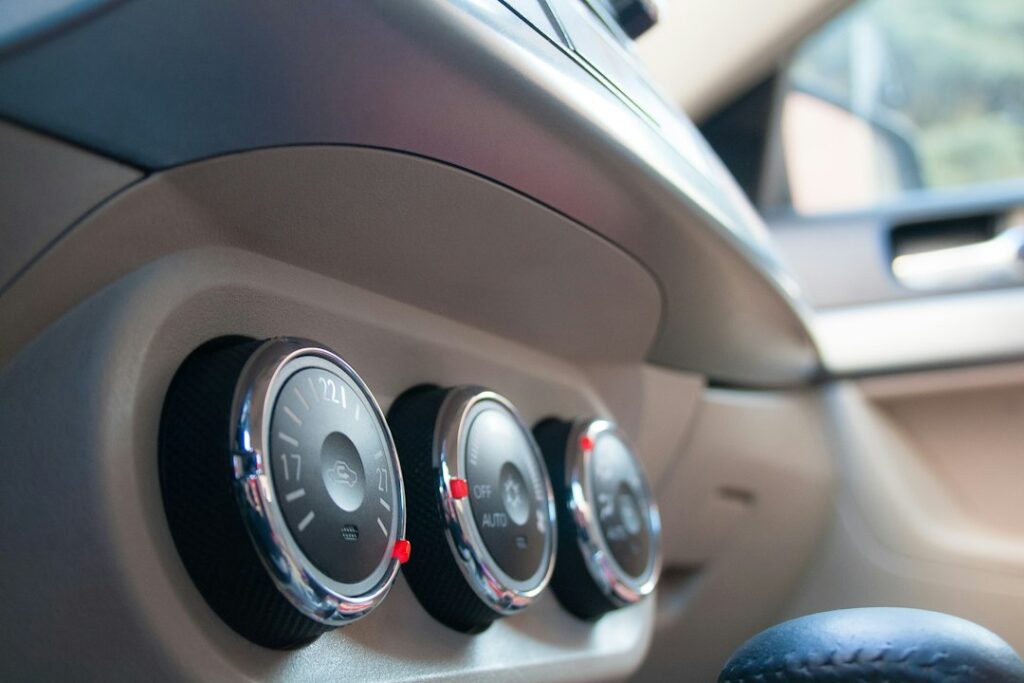
When your car’s AC blows hot air on a summer day, the most common cause is low refrigerant from a small leak. But it can also be a blown fuse, a compressor that is not turning on, or a cooling fan that has stopped working. The good news is that a few causes are easy to check yourself in about ten minutes. This guide explains each one in simple words and tells you when to stop and see a mechanic.
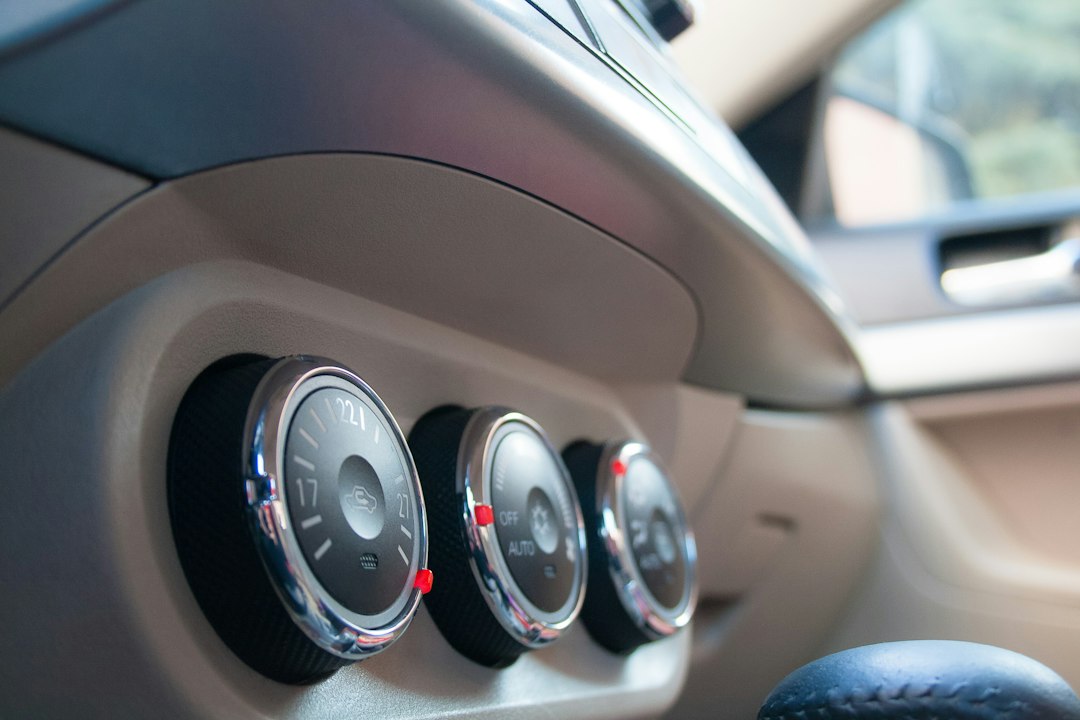
How does a car AC work?
Your AC does not create cold air. It moves heat out of the cabin. A compressor pushes refrigerant through the system. The refrigerant picks up heat inside the car and releases it outside through the condenser, which sits at the front of the car near the radiator. If any part of this cycle fails, the air coming out will not be cold.
Quick guide: what is your symptom?
| Symptom | Most likely cause |
|---|---|
| Air is slightly cool but not cold | Low refrigerant |
| Air is warm and you hear no click when AC is turned on | Blown fuse, relay, or a compressor that is not engaging |
| Cold when driving, warm when stopped | Cooling fan problem or blocked condenser |
| Cold on one side, warm on the other | Faulty blend door actuator or low refrigerant |
| Air is cold but very weak | Clogged cabin air filter or blower problem |
| Strange noises when AC is on | Worn compressor or belt |
8 common causes of car AC blowing hot air
1. Low refrigerant
This is the most common cause. The AC is a sealed system, so if the level is low, there is a leak somewhere, usually in a hose, seal, or the condenser. Topping it up without fixing the leak only works for a short time. A mechanic can find the leak with a special dye or detector.
2. A blown fuse or bad relay
The AC compressor needs electrical power to switch on. A blown fuse or a failed relay cuts the power. Your owner’s manual shows where the fuse box is and which fuse belongs to the AC. This is one of the cheapest fixes, so check it first.
3. The compressor is not turning on
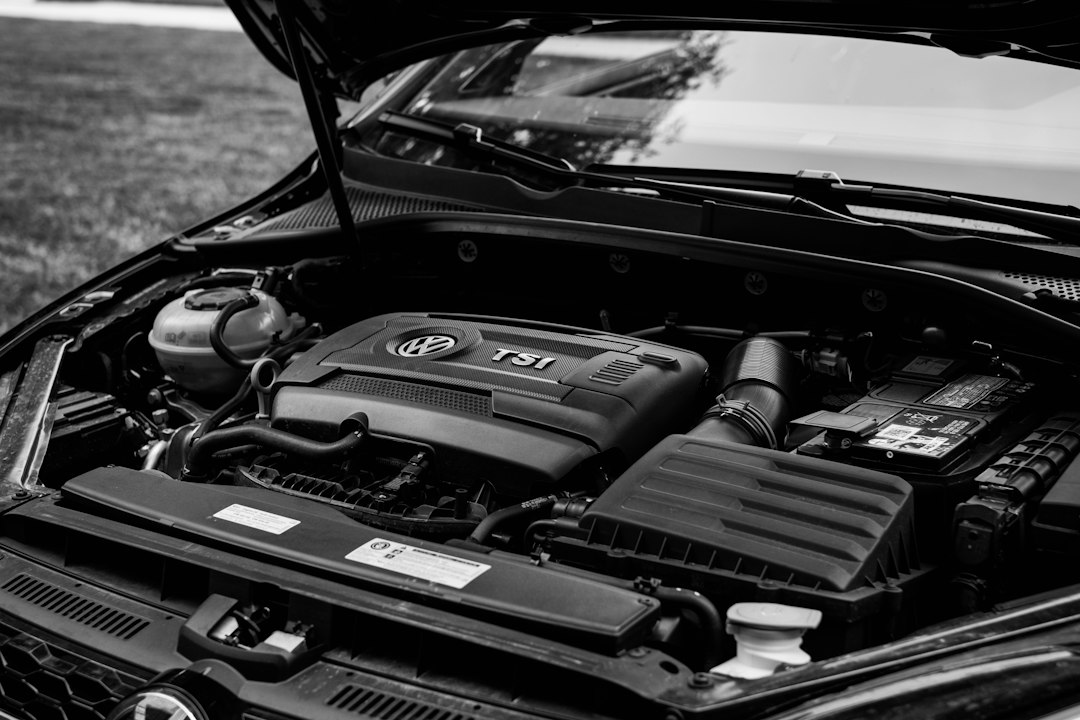
The compressor is the heart of the system. With the engine running and the AC on, you should hear a click from the engine bay and see the front plate of the compressor start to spin. If it does not, the cause may be low refrigerant (many systems shut the compressor off to protect it), an electrical fault, or a worn compressor clutch.
4. A faulty cooling fan or blocked condenser
The condenser needs airflow to release heat. When you drive fast, air passes through it naturally. When you stop, a fan pulls air through. If the fan is broken, the AC gets cold on the highway and warm at traffic lights. Leaves, bugs, or dirt on the condenser can cause the same problem.
5. A clogged cabin air filter
This filter cleans the air that enters the cabin. When it is full of dust, airflow becomes weak, so the AC feels poor even if the air is cold. It is cheap and often simple to replace. Your owner’s manual shows where it is.
6. A broken blend door actuator
A small door inside the dashboard mixes hot and cold air. If the motor that moves it fails, the door can stick on hot. You may hear clicking behind the dashboard, or the temperature may be different on each side of the car.
7. A worn drive belt or compressor
The compressor runs from the engine belt. If the belt is loose or broken, or the compressor is failing, you may hear squealing or grinding when the AC is on. A failing compressor can send metal bits through the system, so do not ignore noises.
8. A blocked or leaking part inside the system
Parts such as the condenser, expansion valve, or receiver can clog or leak. These are repairs for a trained technician with the right equipment.
Simple checks you can do yourself
- Start the engine, set the AC to maximum cold, and turn the fan to high.
- Turn the AC button on and listen for a click from the engine bay.
- Look at the compressor. The front plate should spin when the AC is on.
- Check the AC fuse and relay using your owner’s manual.
- Look at the front of the car. Remove leaves and debris from the condenser, and check that the cooling fan runs when the AC is on.
- Replace the cabin air filter if it is dirty or you do not remember when it was last changed.
- Note when the air gets warm: all the time, only when stopped, or only on one side.
Should you use a DIY recharge can?
Many stores sell AC recharge cans. They may give a short-term fix if the system is slightly low, but they carry risks. Adding too much refrigerant can damage the compressor and make the AC work worse. Different cars also use different refrigerant types, so you must use the right one for your car. Some cans also contain sealants that can cause trouble for repair shops later. If the system is low, there is a leak, so having a mechanic find and fix it is usually the better long-term choice.
When to see a mechanic
- The compressor will not engage and the fuse is fine
- You hear grinding or squealing when the AC is on
- You suspect a refrigerant leak
- The AC works for a few days after a recharge, then stops again
- You see oily residue on AC hoses or fittings
AC work involves pressurized refrigerant, which should be handled with proper tools and training. Avoid opening AC lines yourself.
How much does it cost to fix?
Costs vary a lot by car and where you live. A fuse, relay, or cabin filter is usually a low-cost fix. Finding and fixing a small leak and recharging the system costs more. A new compressor or condenser is one of the more expensive repairs. Ask for a written estimate that includes the leak test.
How to keep your car AC working well
- Run the AC for a few minutes every week, even in winter, to keep the seals lubricated.
- Replace the cabin air filter on the schedule in your owner’s manual.
- Keep the condenser at the front of the car clean.
- Fix small leaks early.
- Have the AC checked before summer starts.
Frequently asked questions
Why is my car AC cold when driving but warm at a stop?
Usually the cooling fan is not working, or the condenser is blocked, so heat cannot escape when the car is not moving.
Why is my car AC blowing cold on one side only?
This is often a blend door actuator problem, or sometimes low refrigerant. A mechanic can tell which by testing the system.
Can low refrigerant damage my AC?
Yes. Running the system low can overheat the compressor, since the refrigerant also carries oil that lubricates it. Fix the leak early.
How often should I recharge my car AC?
A healthy sealed system should not need regular recharging. If it keeps losing cold air, there is a leak that needs repair.
Final thoughts
If your AC blows hot air, start with the simple things: the fuse, the cabin filter, the condenser, and the cooling fan. If the system is low on refrigerant, find the leak rather than just topping it up. For anything involving the compressor or refrigerant lines, a qualified mechanic is the safest choice. This guide is general information and does not replace a hands-on inspection.
Leave a Reply