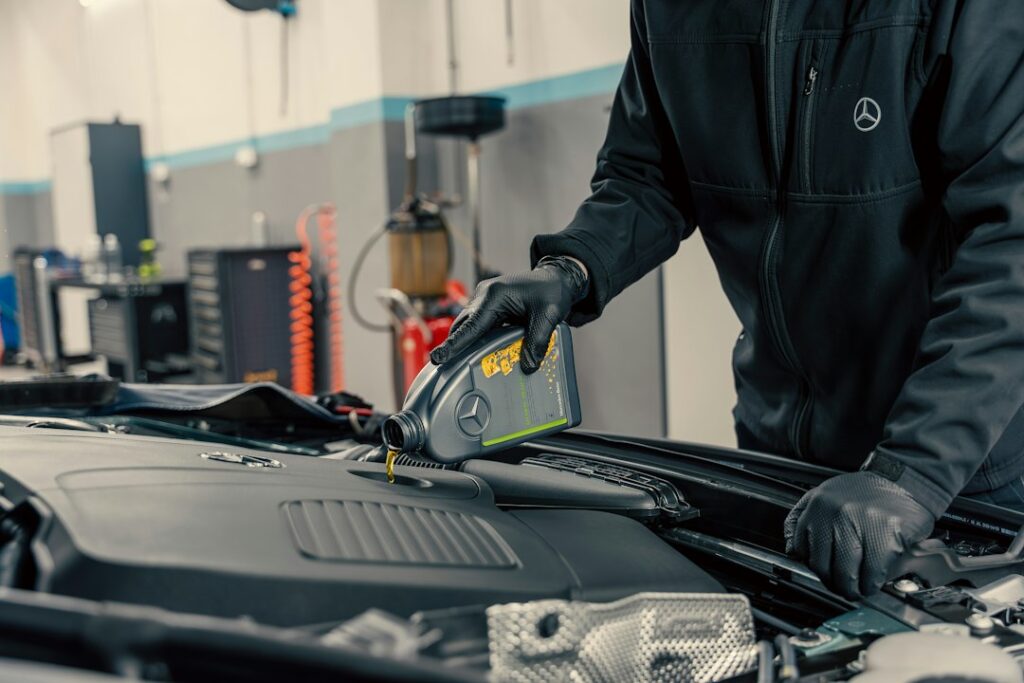
If you have ever wondered how often you should change your car motor oil, you are not alone. Ask three people and you will probably get three answers. The short version: most modern cars need an oil change somewhere between 5,000 and 10,000 miles (about 8,000 to 16,000 km), or every 6 to 12 months, whichever comes first. The exact number depends on your engine, the type of oil, and how you drive. Your owner’s manual has the final word, and this guide helps you read it the right way.
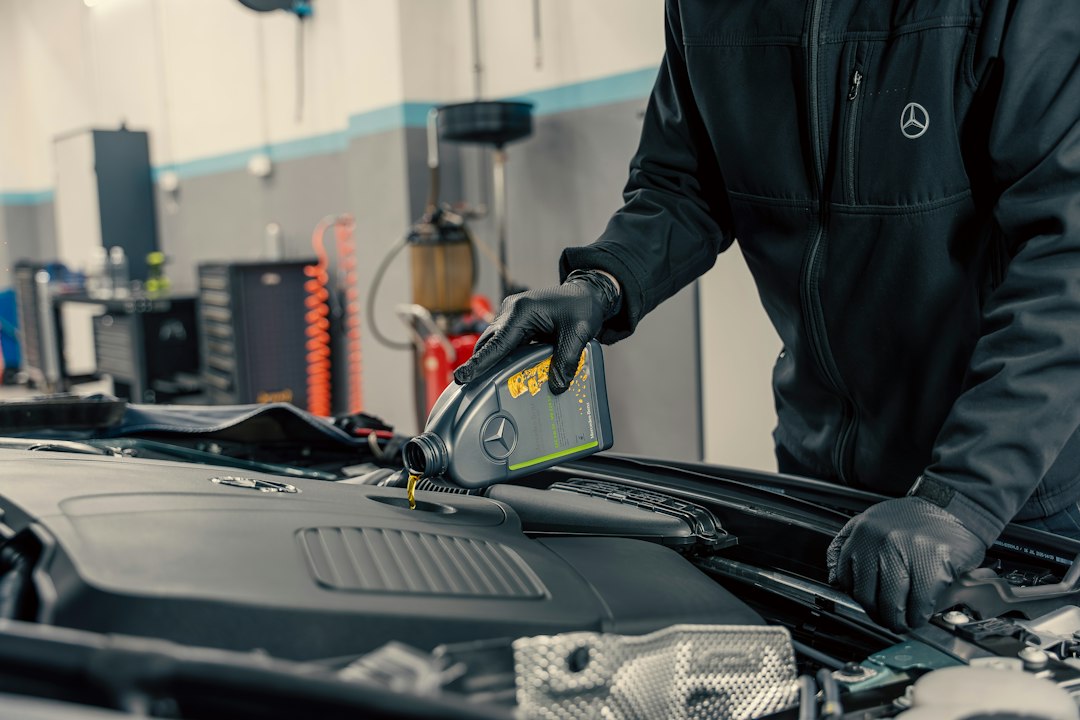
Is the 3,000-mile rule still true?
For most cars, no. The old advice to change oil every 3,000 miles comes from a time when engines and oils were far less advanced. Today’s engines run cleaner, and modern oils, especially full synthetic, last much longer. Changing oil too often is not harmful to the engine, but it wastes money and oil. That said, a few older cars and some heavy-duty situations still benefit from shorter intervals.
Typical oil change intervals at a glance
| Oil type or situation | Typical interval |
|---|---|
| Conventional oil | About 3,000 to 5,000 miles |
| Synthetic blend | About 5,000 to 7,500 miles |
| Full synthetic | About 7,500 to 10,000 miles, sometimes more |
| Car with an oil life monitor | Follow the monitor, but do not go past the maximum time in your manual |
| Car you rarely drive | At least once a year, even with low mileage |
These ranges are general. Always check what your car’s manufacturer recommends.
What is “severe” driving, and does it apply to you?
Most owner’s manuals list two schedules: normal and severe. Here is the surprise: many everyday drivers actually fall into the severe category. You likely need the shorter schedule if you often do any of these:
- Short trips of under 10 minutes, where the engine never fully warms up
- Stop-and-go city traffic
- Driving in very hot, very cold, or dusty conditions
- Towing a trailer or carrying heavy loads
- Lots of idling, such as delivery or rideshare driving
Short trips are the sneaky one. Moisture and fuel build up in the oil when the engine does not get hot enough to burn them off, and that breaks the oil down faster.
Why time matters, not just miles
Oil ages even when the car sits in the driveway. It picks up moisture and its additives slowly wear out. That is why a car driven only 2,000 miles a year still needs fresh oil at least once a year. If you have a weekend car or an older parent’s car that rarely moves, set a calendar reminder.
Signs your car needs an oil change
- The oil change or maintenance reminder appears on the dashboard
- The oil on the dipstick is dark, gritty, or below the minimum mark
- The engine sounds louder or makes ticking noises
- You smell oil inside the cabin
- The oil pressure warning light comes on (stop driving and check the level right away)
- You are past the miles or months listed in your manual
How to check your oil in 2 minutes
- Park on level ground and turn the engine off. Wait a few minutes so the oil drains back down.
- Pull out the dipstick, which usually has a yellow or orange handle, and wipe it clean.
- Push it all the way back in, then pull it out again.
- Check that the oil sits between the two marks. Healthy oil looks amber to brown and feels smooth.
- If it is low, add a small amount of the correct oil, then recheck. Do not overfill.
Some newer cars have no dipstick and show the oil level on the dashboard screen instead. Your manual explains how to read it.
Choosing the right oil
Use the oil grade listed in your owner’s manual, for example 0W-20 or 5W-30, and look for the approval standard it mentions. Many newer engines require synthetic oil, so using a cheaper conventional oil can shorten the interval or even affect your warranty. Do not forget the oil filter. It should be replaced at every oil change.
What happens if you wait too long?
Old oil thickens into sludge and stops protecting the moving parts. Over time that means more wear, worse fuel economy, and in bad cases serious engine damage that costs far more than years of oil changes. Going a few hundred miles over once is not a disaster, but making a habit of it is.
Frequently asked questions
Can I go 10,000 miles between oil changes?
Many modern cars running full synthetic oil can, if the manufacturer allows it and you drive mostly in normal conditions. If you do a lot of short trips or towing, follow the shorter severe schedule.
Is it okay to just top up the oil instead of changing it?
Topping up keeps the level safe between changes, but it does not remove dirt or replace worn-out additives. You still need regular changes.
Does synthetic oil really last longer?
Yes. Synthetic oil resists heat and breakdown better than conventional oil, which is why it usually allows longer intervals.
Can low oil turn on the check engine light?
Low oil usually triggers the oil pressure light, not the check engine light, but it can lead to problems that do. Learn more in our guide on why your check engine light is on.
Final thoughts
So, how often should you change your car motor oil? For most modern cars, every 5,000 to 10,000 miles or once or twice a year, based on your manual, your oil type, and how you drive. Check the oil level once a month, use the right grade, and do not ignore the reminder on your dashboard. It is one of the cheapest ways to keep your engine healthy for years.
[…] Check the level and condition. If you are close to your next oil change, do it before the trip rather than halfway through. See how often to change your car motor oil. […]
[…] usually. Follow your manual’s schedule. Our guide on how often to change your car motor oil explains it in […]