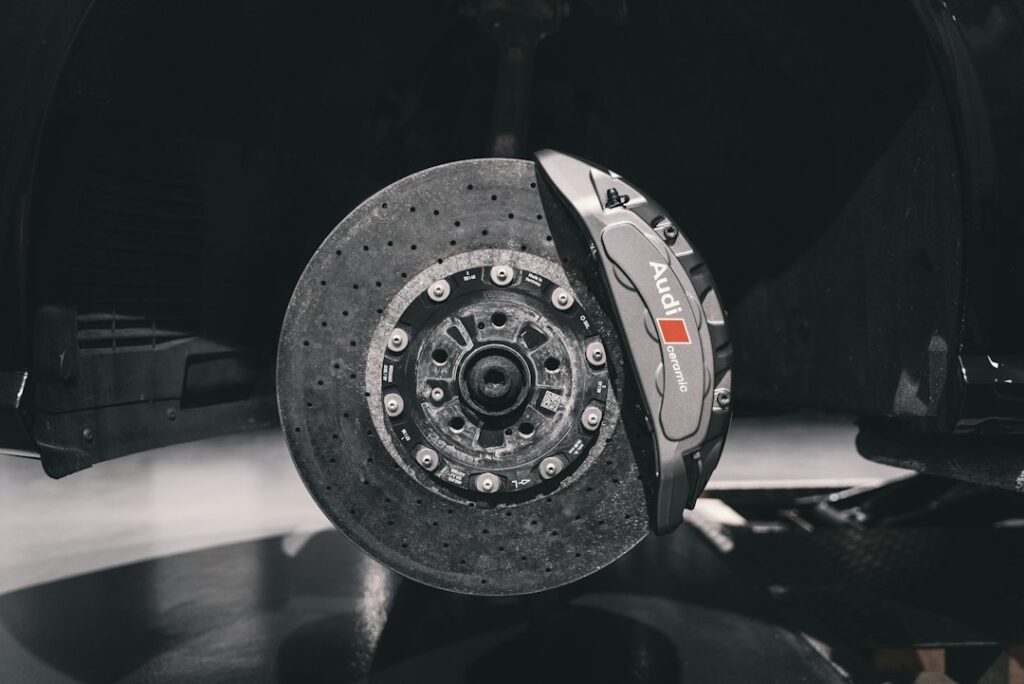
A squeaking noise when you brake is annoying, and it is also your car trying to tell you something. Sometimes it is harmless, like light rust on the brake discs after rain. Often it means the brake pads are getting thin. The type of noise matters. A high squeal usually means worn pads. A deep grinding sound means stop driving and get the brakes checked right away.
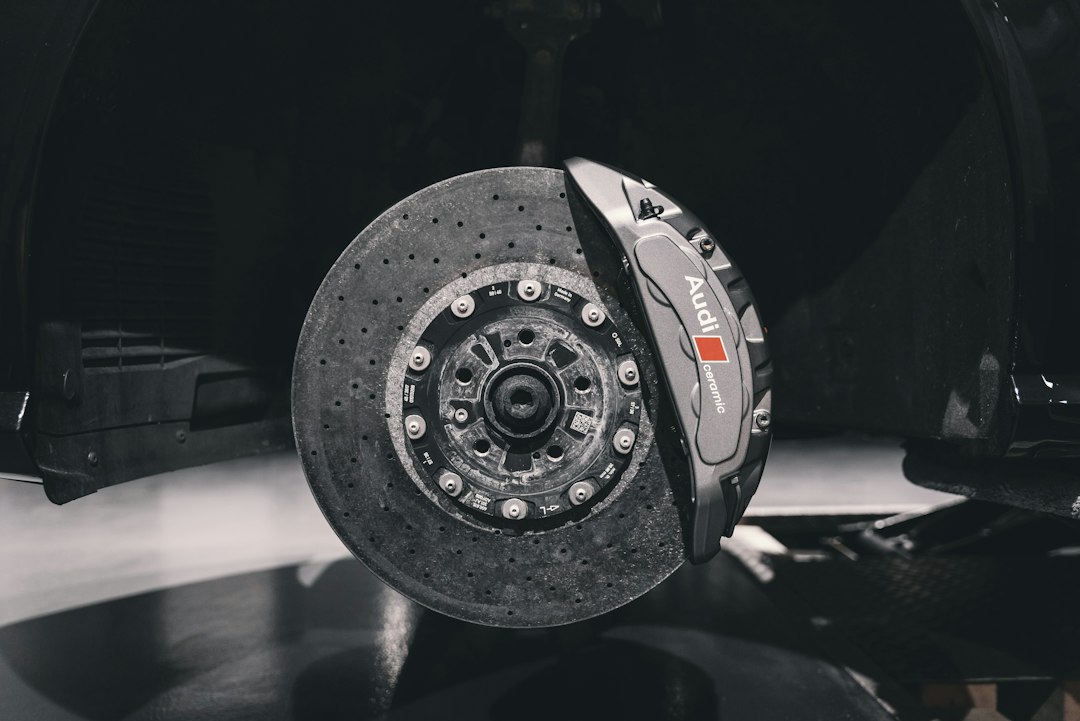
This guide explains each type of brake noise in simple words, the most common causes, and what to do next.
What does each brake noise mean?
| Noise | Most likely cause | How urgent? |
|---|---|---|
| Light squeak for the first few stops | Moisture or surface rust on the discs | Usually normal |
| High squeal every time you brake | Worn brake pads | Check soon |
| Squeal when you are not braking | Pad wear indicator or a loose part | Check soon |
| Deep grinding or scraping | Pads worn to the metal | Stop driving, very urgent |
| Squeak with a shaking pedal | Warped or uneven discs | Check soon |
7 common causes of squeaking brakes
1. Worn brake pads
This is the most common cause. Many brake pads have a small metal tab called a wear indicator. When the pad gets thin, the tab touches the disc and makes a high squeal on purpose. It is a built-in warning that new pads are needed. If you ignore it, the noise can turn into grinding.
2. Moisture and light rust
After rain, a car wash, or a humid night, a thin layer of rust can form on the brake discs. You may hear a squeak or scrape for the first few stops. The noise goes away as the pads clean the discs. This is normal.
3. Glazed pads or discs
Hard braking or long periods of light, steady braking can overheat the pads. They become hard and shiny, which is called glazing. Glazed pads cannot grip well and often squeal. They may need to be replaced, and the discs may need to be resurfaced or replaced.
4. Dust, dirt, or small stones
Brake dust or a tiny stone can get stuck between the pad and the disc. This causes a sharp, scratchy noise. Sometimes it clears up by itself. If it keeps going, a mechanic can clean the brakes.
5. Cheap or hard brake pads
Some pads, especially hard metallic types, squeak more than others. If the noise started right after new pads were fitted, the pad material may be the reason. Quality ceramic or semi-metallic pads made for your car are often quieter.
6. Missing lubrication or worn hardware
Brake pads sit in a bracket and need small clips, shims, and brake grease in the right places. If these are old, missing, or dry, the pads can vibrate and squeal. A proper brake service replaces the hardware and lubricates the contact points.
7. Warped or worn brake discs
Discs can wear unevenly or develop grooves. You may hear a squeak, feel the pedal pulse, or notice the steering wheel shake when you brake. Discs that are too thin or damaged need to be replaced.
When is it dangerous?
Get the brakes checked as soon as possible, and avoid driving if you notice any of these:
- A deep grinding or metal scraping sound
- A soft, spongy, or sinking brake pedal
- The car pulls to one side when you brake
- A brake warning light on the dashboard
- A burning smell from one wheel
- Longer stopping distances than before
Brakes are a safety system. If you are not sure, treat it as urgent.
What you can check yourself
- Listen carefully. Does it squeal, squeak, or grind? Does it happen every time or only the first stops?
- Look through the wheel spokes at the brake pad. If the pad looks very thin, it needs replacing.
- Check the brake fluid level in the reservoir under the hood. A low level can mean worn pads or a leak.
- Look at the disc surface. Deep grooves or a rough edge are bad signs.
- Do not spray lubricant on the pads or discs. It makes the brakes much less effective.
If you are not comfortable with brake work, have a mechanic inspect and replace the parts. Brakes are not a good place to experiment.
How much does it cost to fix?
Costs depend on your car and where you live. Replacing brake pads is usually a mid-range repair. Replacing both the pads and discs costs more. Fixing the problem early, while it is only a squeal, is almost always cheaper than waiting until the discs are damaged. Ask for a written estimate before the work starts.
How to prevent squeaking brakes
- Have your brakes inspected at least once a year, or at every tire rotation.
- Replace pads when they get thin, not when they start to grind.
- Use good quality pads made for your car.
- Brake smoothly and early instead of braking hard at the last second.
- Replace brake fluid on the schedule in your owner’s manual.
Frequently asked questions
Why does my car squeak when I brake in the morning?
Moisture overnight can form a thin layer of rust on the discs. It usually clears after a few stops. If the squeak stays all day, have the pads checked.
Is it safe to drive with squeaky brakes?
A light squeak that comes and goes is often safe for a short time. A constant squeal means you should book a brake check soon. Grinding means stop driving.
Why are my new brakes squeaking?
New pads sometimes squeak while they settle in. Hard pad material or missing lubrication can also cause it. If it continues after a week or two, go back to the shop.
Can I fix squeaky brakes with brake grease?
Grease only belongs on the contact points that need it, never on the pad surface or the disc. A proper brake service handles this safely.
Final thoughts
A squeak is an early warning. Listen to the type of noise, check the pads, and do not wait for grinding. Brakes are cheap to fix early and expensive to fix late. This guide is general information and does not replace an inspection by a qualified mechanic.
Leave a Reply