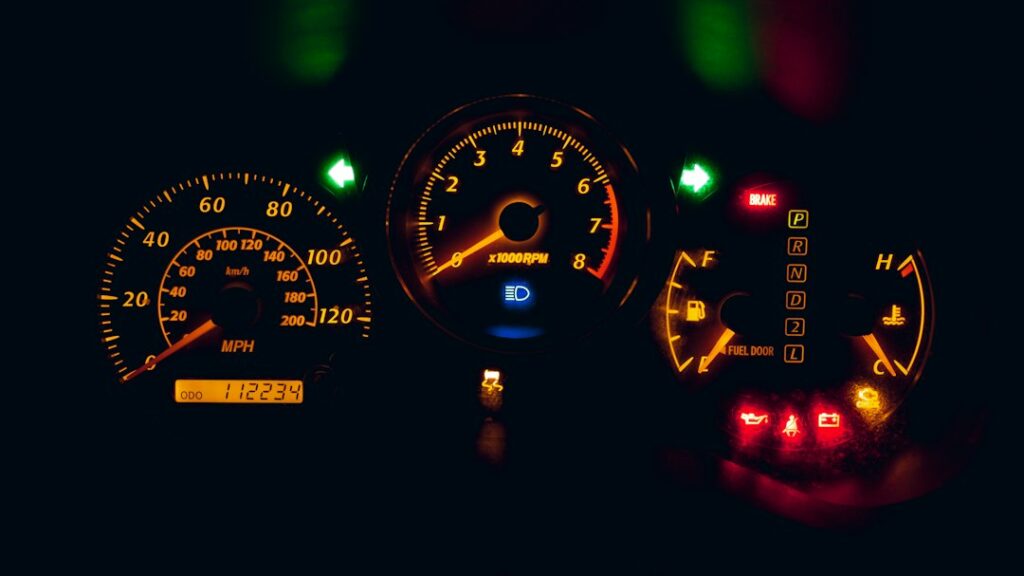
Your check engine light came on. Do not panic. Most of the time the cause is small, like a loose gas cap or a worn sensor. But sometimes it warns about a problem that can damage your engine. The key is to look at how the light is behaving. A steady light means get it checked soon. A flashing light means act now.
This guide explains what the light means in simple words, the most common causes, and what you can do about it today.
What does the check engine light mean?
The check engine light is also called the malfunction indicator lamp. Your car’s computer watches the engine, the exhaust, and the fuel system through many sensors. When it sees a reading that is not normal, it turns the light on and saves a trouble code. That code tells a mechanic where to start looking.
Steady light or flashing light?
| Light | What it usually means | What to do |
|---|---|---|
| Steady | A fault was found, often minor | Drive normally and get it checked within a few days |
| Flashing | A serious problem such as a strong engine misfire | Slow down, avoid heavy loads, and stop driving as soon as it is safe |
| Light plus smoke, strange noises, or loss of power | A major problem | Pull over, turn the engine off, and call for help |
A flashing light is serious because unburned fuel can enter the exhaust and damage the catalytic converter, which is expensive to replace.
8 common reasons your check engine light is on
1. A loose or faulty gas cap
This is the easiest cause to fix. A loose or cracked gas cap lets fuel vapor escape, and the system reads that as a leak. Turn the cap until it clicks. If it is cracked or the seal looks worn, a new cap costs very little. The light may take a few days of normal driving to turn off.
2. A bad oxygen sensor
Oxygen sensors measure how much unburned oxygen is in your exhaust. They wear out over time. A bad one can make your car burn more fuel than it should, so you may notice worse gas mileage.
3. Worn spark plugs or ignition coils
Spark plugs and coils light the fuel in each cylinder. When one fails, the engine misfires. You may feel shaking, hesitation, or rough idling. This is the most common reason for a flashing light.
4. A failing catalytic converter
The catalytic converter cleans harmful gases in the exhaust. It can fail with age or after long periods of misfiring. Signs include weak acceleration and a rotten egg smell. It is often a costly repair, so fix the cause early, such as bad spark plugs or sensors.
5. A dirty or faulty mass airflow sensor
This sensor measures the air entering the engine. If it is dirty or damaged, the engine gets the wrong fuel mix. You may notice stalling, rough idle, or poor performance. Sometimes careful cleaning with a cleaner made for this sensor helps.
6. A vacuum or air leak
A cracked hose can let extra air into the engine. The computer sees too much air and not enough fuel. You may hear a hissing sound or notice a high idle.
7. An evaporative emissions (EVAP) system leak
The EVAP system traps fuel vapor from the tank. A leak in a hose, valve, or the cap triggers the light. The car usually drives normally, but it should still be fixed.
8. A weak battery or charging problem
Modern cars need steady power for their sensors and computers. A weak battery or failing alternator can cause odd readings and several warning lights at once. If your car is slow to start, have the battery tested.
How to find out the exact cause
Guessing wastes money. The best step is to read the trouble code with an OBD2 scanner. Every car sold in the US since 1996 has an OBD2 port, usually under the dashboard on the driver’s side. Many auto parts stores will read the code for free. You can also buy a basic scanner and use it yourself.
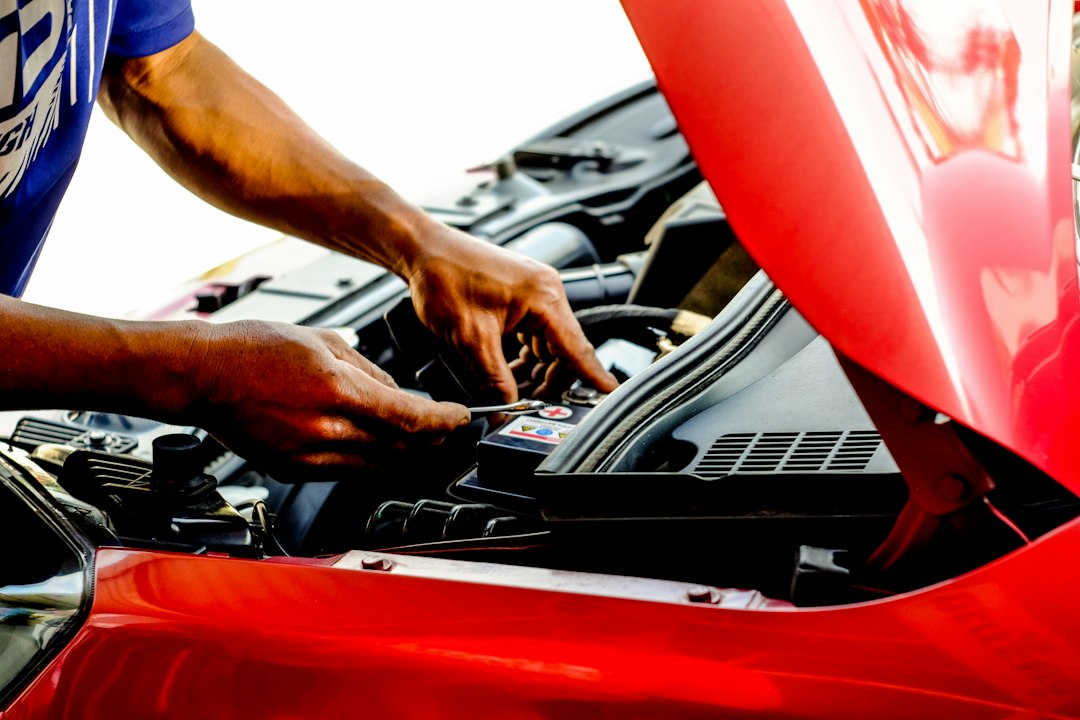
Codes look like P0420 or P0300. The letter and numbers point to a system, not always to the exact broken part. For example, P0300 means a random misfire was found, and P0420 means the catalytic converter is not working as well as it should. Look up your code, then check the simple causes first.
What to do right now
- Check if the light is steady or flashing.
- Make sure the gas cap is tight. Replace it if it looks cracked.
- Check your dashboard for other warnings, such as oil pressure or temperature.
- Notice how the car feels. Shaking, power loss, or strange smells are bad signs.
- Read the code with an OBD2 scanner, or visit a shop that reads codes.
- Repair the cause. Do not just clear the code, because the light will come back.
Can I keep driving with the check engine light on?
If the light is steady and the car drives normally, you can usually drive it carefully to a shop in the next few days. If the light is flashing, or the car shakes, loses power, overheats, or smokes, stop driving and get help. Driving on a serious misfire or low oil can cause expensive engine damage.
Will it pass inspection?
In places with emissions testing, a lit check engine light usually means an automatic fail. Fix the problem and drive normally for a few days so the car’s computer can finish its self-checks before you test again.
How to avoid a check engine light
- Follow the service schedule in your owner’s manual.
- Replace spark plugs and air filters on time.
- Tighten the gas cap after every fill-up.
- Use good quality fuel and the oil your car requires.
- Fix small problems early, before they damage other parts.
Frequently asked questions
How long can I drive with the check engine light on?
There is no fixed number. With a steady light and normal driving, a few days is usually fine. With a flashing light or symptoms like shaking, stop as soon as it is safe.
Why did my check engine light come on and then go off?
The problem may have been temporary, like a loose gas cap that you tightened. The code is still stored, so have it read if it happens again.
Can a bad battery cause the check engine light?
Yes. Low voltage can confuse the sensors and computers and set off warning lights.
Is it okay to just clear the code?
Clearing the code turns the light off, but it does not fix the cause. If the problem is real, the light will return.
Final thoughts
A check engine light is a message, not always an emergency. Look at whether it is steady or flashing, check the gas cap, and read the code. Fixing a small problem early is almost always cheaper than waiting. This guide is general information and does not replace a hands-on inspection by a qualified mechanic.
[…] Your car’s computer watches the engine and emissions system. When it finds a problem, it turns on the check engine light and saves a trouble code. An OBD2 scanner connects to the diagnostic port, usually under the dashboard on the driver’s side, and shows you that code. Most scanners can also clear the code and show live data from the sensors. If you want to learn what the light means first, read our guide on why your check engine light is on. […]