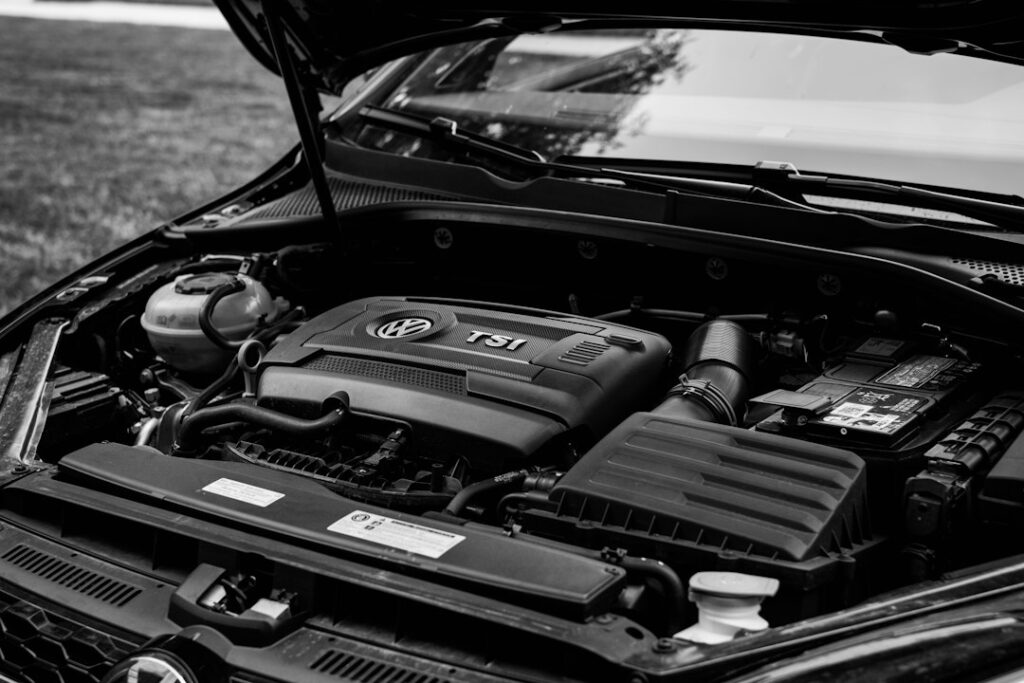
A burning smell after driving fast can be harmless, like new brake pads settling in. It can also be serious, like an oil leak or an electrical problem. The smell itself is a clue. Burning rubber usually points to a belt or hose. Burning oil points to a leak. A sharp, chemical smell often comes from hot brakes. A burning plastic or electrical smell means stop and check right away.
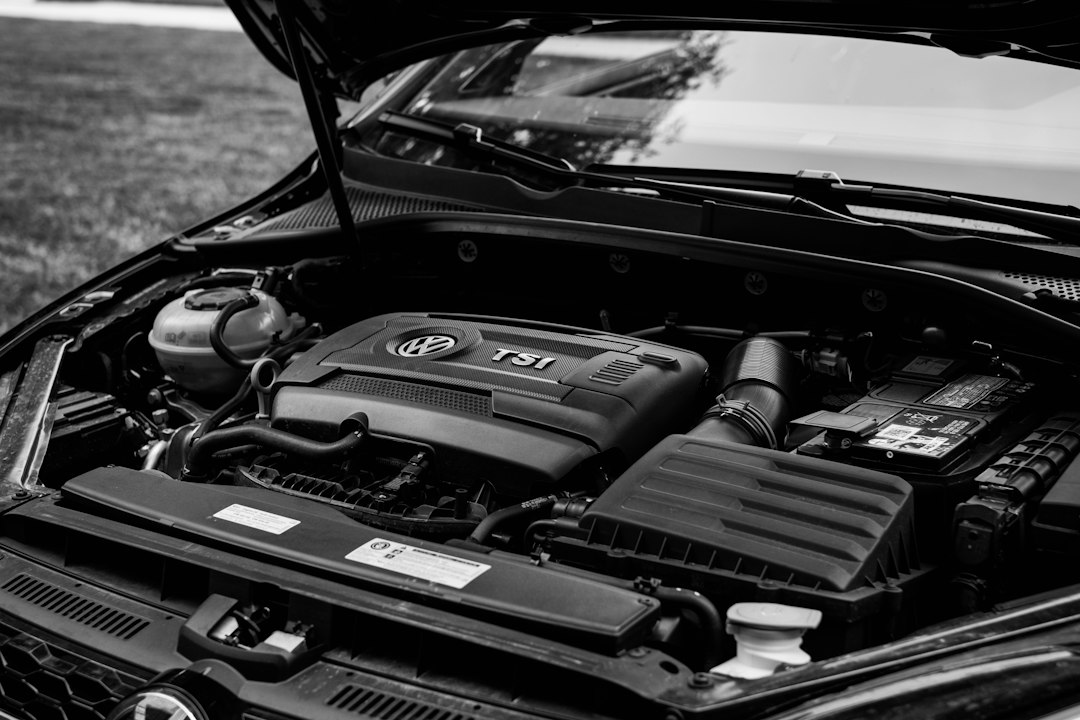
In this guide, you will learn what each smell means, which causes are urgent, and what you can check yourself in a few minutes.
Stop driving right now if you notice any of these
- Smoke coming from under the hood or from a wheel
- Flames or glowing parts
- A strong smell of gasoline
- A burning plastic or electrical smell, especially with flickering lights
- A temperature warning light or a temperature gauge in the red
Pull over somewhere safe, turn the engine off, and get everyone out of the car. If you see flames, move away and call emergency services. Do not open the hood if there is fire or heavy smoke.
Why does the burning smell show up after driving fast?
Driving fast makes everything in your car work harder and get hotter. The engine, brakes, transmission, and belts all heat up. A small oil or coolant leak that you never notice at low speed can drip onto a very hot part and start to smell. Hard braking from high speed can also overheat the brakes. So the smell is often a sign that something was already weak, and speed made it show up.
Quick guide: what does the smell mean?
| Smell | Most likely cause | How urgent? |
|---|---|---|
| Burning rubber | Slipping belt, hose touching a hot part, stuck brake | Medium to high |
| Burning oil | Oil leak onto the engine or exhaust | Medium to high |
| Sharp, chemical, like burning carpet | Overheated brakes | Medium |
| Sweet, like syrup | Coolant leak or overheating | High |
| Burnt toast or paper (manual car) | Slipping clutch | Medium |
| Burning plastic or electrical | Short circuit or melting wires | Very high |
| Sharp, burnt smell from the transmission area | Hot or low transmission fluid | High |
9 common causes of a burning smell after driving fast
1. Overheated brakes
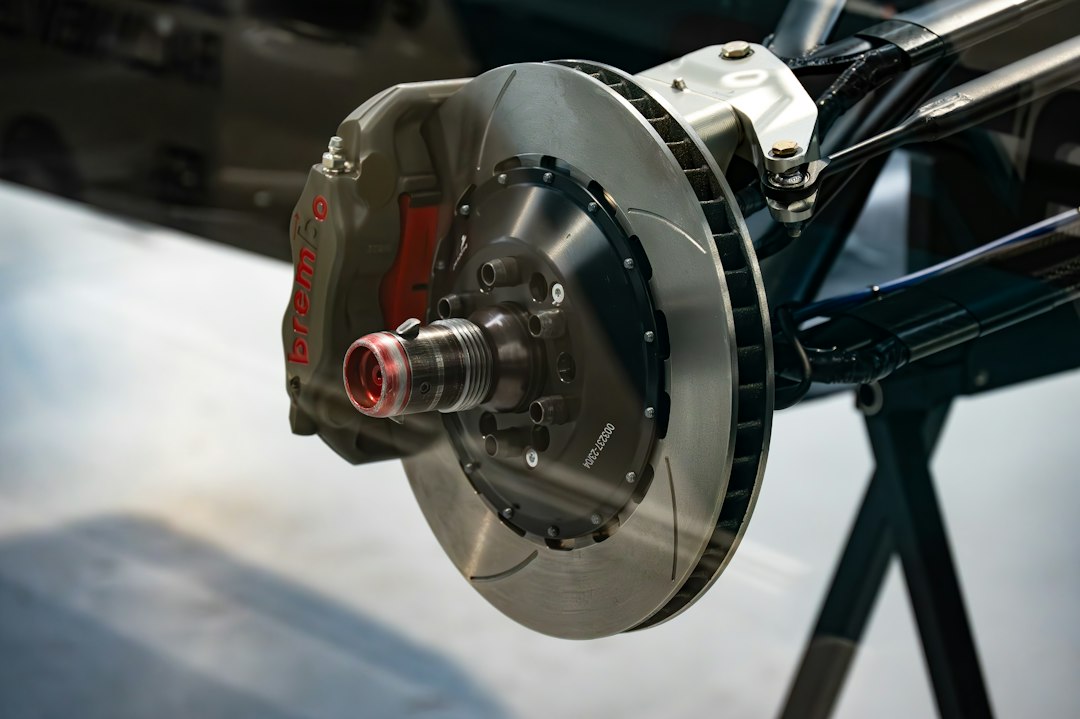
This is one of the most common causes. After hard braking from high speed, the brake pads and discs get extremely hot and can give off a sharp smell, a bit like burning carpet. It is also common on long downhill roads. If the smell fades after a few minutes of rest, your brakes were probably just hot. If one wheel smells much stronger or feels very hot, a brake caliper may be stuck and needs a mechanic.
2. Oil leaking onto the engine or exhaust
Oil that drips onto a hot exhaust part burns and creates a strong, sharp smell, often with thin blue-grey smoke. A worn valve cover gasket is a very common reason. A loose oil filter or oil cap after an oil change can also cause it. Check for oil spots under the car and on top of the engine.
3. Low engine oil
When oil runs low, the engine gets hotter and the oil that remains can burn. High speed makes it worse. Low oil can destroy an engine, so check it as soon as the engine has cooled for a few minutes.
4. A slipping or worn drive belt
The belt that runs your alternator, water pump, and air conditioning can slip when it is old or loose. That creates friction and a burning rubber smell. You may also hear a squeal, especially when you start the car or turn the steering wheel.
5. A coolant leak or engine overheating
Coolant has a sweet smell. When it leaks onto a hot engine, you may smell something like maple syrup and see white steam. Overheating can wreck an engine fast, so do not keep driving. Let the engine cool fully before you open the radiator or coolant cap.
6. A slipping clutch (manual cars)
A worn clutch can slip under hard acceleration. That produces a smell like burnt toast or paper. If your engine revs up but the car does not speed up the same way, the clutch is likely worn.
7. Overheated or low transmission fluid
Automatic transmissions get very hot under heavy load. Old or low fluid can overheat and smell burnt. Check your owner’s manual for how to check the fluid. If it looks dark or smells burnt, have it inspected.
8. Electrical problems
A burning plastic or electrical smell can mean a short circuit, melting wire insulation, or a failing fan motor. This can start a fire. If you smell it, stop driving, turn the car off, and have it checked before using the car again.
9. Something stuck to the exhaust or under the car
A plastic bag, road debris, or a fluid spill from earlier can burn on a hot exhaust pipe. This smell often goes away on its own. Look under the car after it cools to make sure nothing is stuck there.
What to do if your car smells like burning
- Pull over safely and turn the engine off.
- Look for smoke, steam, or flames. If you see any, move away from the car.
- Wait at least 20 to 30 minutes for the engine to cool.
- Open the hood and look for leaking fluid, loose or cracked belts, and melted or damaged wires.
- Check the engine oil level and the coolant reservoir (only when cool).
- Feel each wheel carefully, near but not on the metal, to see if one is much hotter than the others.
- Check under the car for drips or anything stuck to the exhaust.
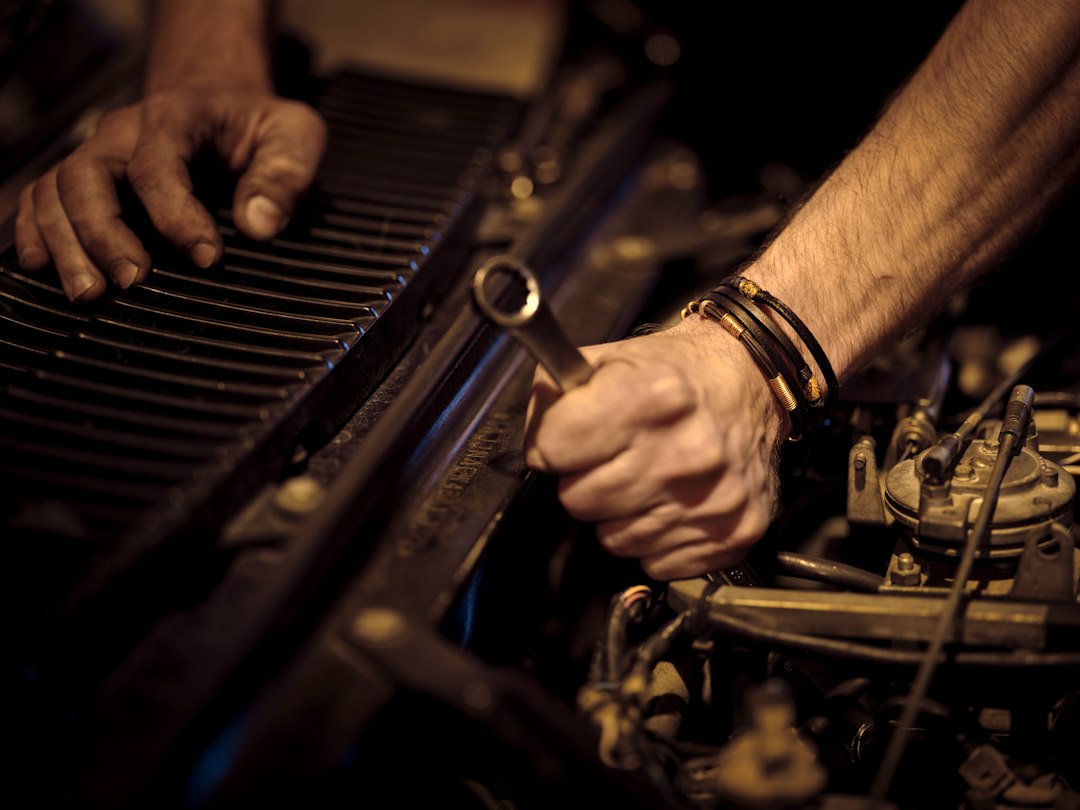
If you find a leak, a damaged belt, or burnt wiring, or if you cannot find the cause, do not keep driving fast. Have a mechanic inspect the car. A scan tool can also help if the check engine light is on.
How much does it cost to fix?
Costs vary by car and location, so treat these as rough ranges. A new drive belt is often a low-cost repair. Brake pad replacement is a mid-range cost. A valve cover gasket, coolant leak, or clutch repair costs more. Electrical faults vary a lot, so ask for a clear estimate first.
How to prevent a burning smell
- Check your engine oil and coolant levels regularly.
- Change oil on the schedule in your owner’s manual.
- Replace worn belts and brake pads before they fail.
- Fix small leaks early, before they drip onto hot parts.
- Avoid hard braking from high speed when you can, and use a lower gear on long downhill roads.
- Do not ignore warning lights.
Frequently asked questions
Is it normal for a car to smell like burning after driving fast?
A light smell can be normal, for example from new brake pads or a small amount of oil burning off after an oil change. A strong smell, or one that does not go away, is not normal and should be checked.
Can I keep driving with a burning smell?
Not if you see smoke, smell plastic or fuel, or have a warning light on. For a mild smell that disappears, drive gently to a mechanic. When in doubt, stop and get help.
Why does my car smell like burning rubber?
The usual causes are a slipping belt, a rubber hose touching a hot engine part, or a brake that is dragging.
Why does my car smell like burning oil?
Oil is probably leaking onto a hot engine or exhaust part. A worn valve cover gasket is a common reason. Check your oil level too.
Final thoughts
A burning smell after driving fast is your car asking for attention. Work out which smell you have, check the simple things like oil, coolant, and belts, and stop right away if you see smoke or smell plastic or fuel. If you are not sure, a quick inspection is cheaper than an engine or fire damage repair. This guide is general information and cannot replace a hands-on check by a qualified mechanic.
Leave a Reply